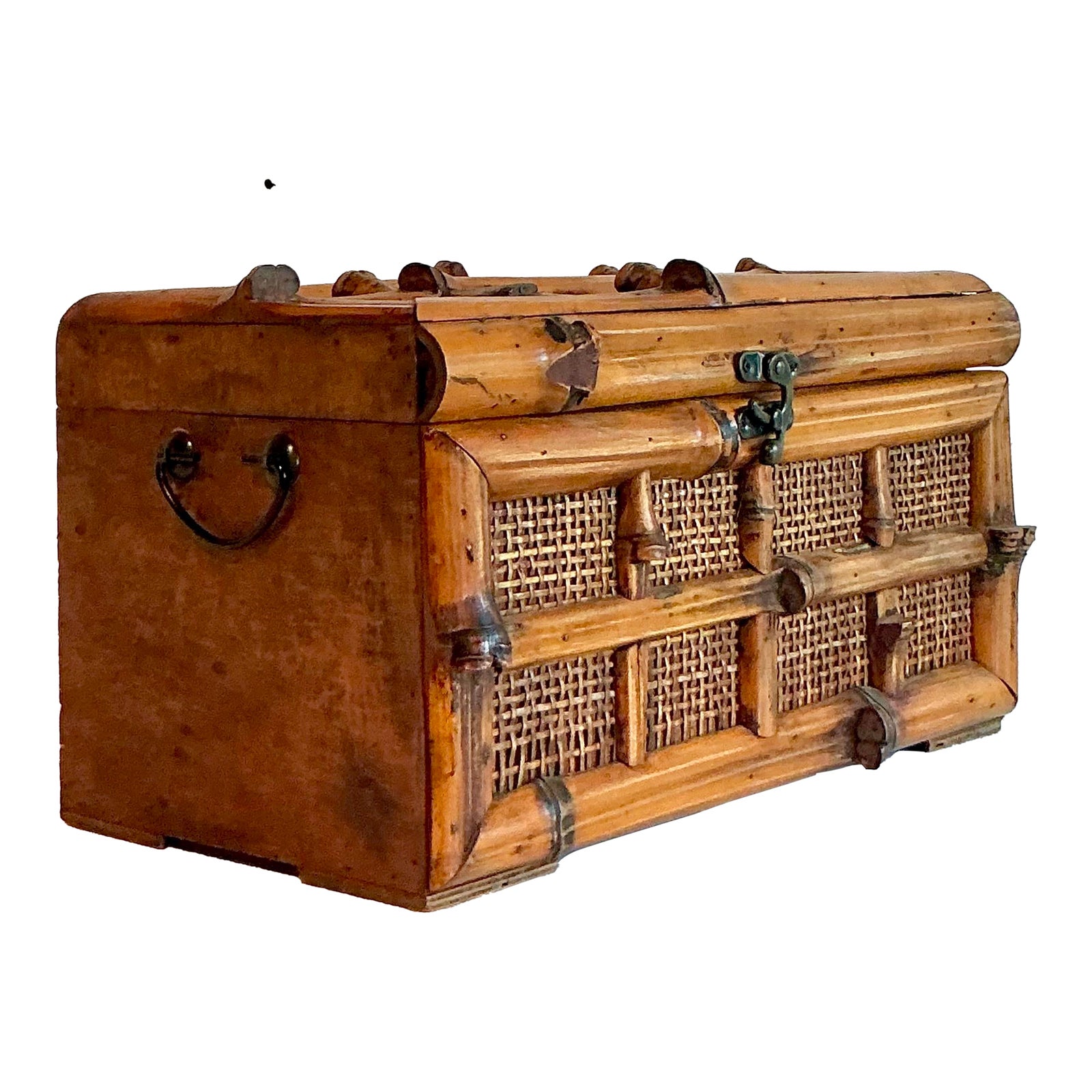
Bamboo vs Rattan Furniture: A Collector's Guide to Tropical Style
Discover the fascinating differences between bamboo and rattan furniture, learn to assess quality like an expert, and explore the timeless appeal of tropical design in vintage and contemporary interiors.
In the world of tropical and coastal furniture, few materials capture the essence of relaxed elegance quite like bamboo and rattan. While often confused or used interchangeably, these two natural materials have distinct characteristics, construction methods, and aesthetic qualities that every collector and design enthusiast should understand.
Understanding the Fundamentals: Bamboo vs Rattan
What is Bamboo?
Bamboo is actually a grass—the fastest-growing plant on Earth. In furniture making, bamboo poles are typically used whole, creating pieces with visible joints (nodes) that give bamboo furniture its characteristic segmented appearance. The hollow interior and natural flexibility of bamboo make it ideal for both structural and decorative applications.
What is Rattan?
Rattan, on the other hand, is a climbing palm that grows in tropical regions. Unlike bamboo, rattan is solid throughout and incredibly flexible when heated. This flexibility allows craftsmen to bend rattan into complex curves and intricate patterns, making it perfect for woven furniture and decorative elements.
Key Differences Every Collector Should Know
Quick Identification Guide
Bamboo Characteristics:
- • Visible joints (nodes) along the length
- • Hollow interior when cut
- • Typically used in straight sections
- • Natural yellow to brown coloring
- • Smooth, glossy surface
Rattan Characteristics:
- • Solid core throughout
- • Can be bent into complex curves
- • Often woven or braided
- • Natural tan to brown coloring
- • Slightly textured surface
The Golden Age of Tropical Furniture (1920s-1980s)
The popularity of bamboo and rattan furniture reached its zenith during several key periods:
1920s-1940s: Colonial and Art Deco Influence
The colonial period brought increased awareness of tropical materials to Western markets. Art Deco designers embraced bamboo's geometric lines, creating sophisticated pieces that combined Eastern materials with Western modernist sensibilities.
1950s-1970s: Mid-Century Tropical
Post-war prosperity and increased travel to tropical destinations sparked a boom in bamboo and rattan furniture. Designers like Paul Frankl and manufacturers like Heywood-Wakefield created iconic pieces that defined the era's relaxed, indoor-outdoor lifestyle.
1970s-1980s: Bohemian and Coastal Chic
The bohemian movement embraced rattan's organic, handcrafted aesthetic. This period saw an explosion of woven rattan furniture, from peacock chairs to intricate room dividers.
Assessing Quality: What to Look For
Construction Quality Indicators
For Bamboo Furniture:
- Joint Integrity: Look for tight, well-fitted joints with minimal gaps
- Binding Quality: Traditional lashing should be tight and even
- Surface Condition: Original finish should be intact without major cracks
- Structural Soundness: No loose or wobbly connections
For Rattan Furniture:
- Weave Tightness: Consistent, tight weaving without loose strands
- Frame Stability: Solid frame construction with no flex or movement
- Finish Quality: Even staining or natural finish without blotching
- Repair History: Minimal previous repairs or replacements
Notable Makers and Manufacturers
Bamboo Specialists:
- Paul Frankl: Pioneered bamboo furniture in American design
- Heywood-Wakefield: Mass-produced quality bamboo pieces
- McGuire: High-end bamboo furniture manufacturer
- Ficks Reed: Known for both bamboo and rattan pieces
Rattan Masters:
- Franco Albini: Italian designer famous for rattan chairs
- Janine Abraham: French designer of iconic rattan pieces
- Rohé Noordwolde: Dutch manufacturer of quality rattan furniture
- Bonacina: Italian company specializing in wicker and rattan
Care and Maintenance
Bamboo Care:
- Dust regularly with a soft cloth
- Use mild soap and water for cleaning
- Avoid excessive moisture and direct sunlight
- Apply furniture wax annually to maintain finish
Rattan Care:
- Vacuum regularly to remove dust from weave
- Clean with damp cloth and mild detergent
- Keep away from heat sources that can dry and crack
- Maintain humidity levels to prevent brittleness
Explore Our Bamboo & Rattan Collection
At SHOW PONY PALM BEACH, we specialize in authentic vintage bamboo and rattan pieces that showcase the finest craftsmanship of their respective eras. Our collection includes:
Bamboo Highlights:
- • Mid-century modern bamboo seating
- • Art Deco bamboo tables and stands
- • Vintage bamboo room dividers
- • Decorative bamboo accessories
Rattan Specialties:
- • Iconic peacock and fan-back chairs
- • Woven rattan dining sets
- • Sculptural rattan lighting
- • Bohemian-style rattan accessories
Investment and Collecting Potential
Market Trends
Both bamboo and rattan furniture have seen significant appreciation in recent years, driven by:
- Increased interest in sustainable, natural materials
- Growing appreciation for mid-century tropical design
- Celebrity and designer endorsement of tropical styles
- Limited supply of authentic vintage pieces
What to Collect
The most collectible pieces typically feature:
- Designer attribution or manufacturer marks
- Exceptional craftsmanship and construction
- Iconic or unusual forms
- Original condition with minimal restoration
- Provenance or documented history
Styling Bamboo and Rattan in Modern Interiors
Contemporary Applications
Today's designers are rediscovering the versatility of bamboo and rattan:
- Coastal Chic: Perfect for beach houses and coastal properties
- Bohemian Luxe: Adds texture and warmth to eclectic interiors
- Tropical Modern: Complements clean, contemporary lines
- Global Style: Bridges Eastern and Western design sensibilities
Mixing with Other Materials
Bamboo and rattan work beautifully with:
- Natural stone and marble
- Brass and bronze hardware
- Linen and cotton textiles
- Ceramic and pottery
- Teak and other tropical woods
Visit Our Palm Beach Showroom
Experience the beauty and craftsmanship of vintage bamboo and rattan furniture in person. Our curated collection showcases the finest examples of tropical furniture design.
SHOW PONY PALM BEACH
1400 Elizabeth Ave
West Palm Beach, FL 33401
Monday - Saturday: 10:00 AM - 4:00 PM
Get DirectionsThe Enduring Appeal of Natural Materials
In an increasingly digital world, the organic beauty of bamboo and rattan furniture offers a connection to nature and craftsmanship that resonates with contemporary sensibilities. Whether you're drawn to the clean lines of bamboo or the intricate weaving of rattan, these materials bring warmth, texture, and timeless style to any interior.
As we continue to value sustainability and natural materials, vintage bamboo and rattan pieces represent not just beautiful design, but also responsible consumption—giving new life to expertly crafted furniture that has already stood the test of time.
At SHOW PONY PALM BEACH, we're passionate about helping collectors and design enthusiasts discover the perfect bamboo or rattan piece for their space. Each item in our collection has been carefully selected for its quality, authenticity, and design significance.
Ready to Start Your Collection?
Whether you're looking for a statement piece or building a comprehensive collection, we're here to help you find authentic vintage bamboo and rattan furniture that meets your needs and exceeds your expectations.
Browse Our Collection Contact Our ExpertsBy Show Pony Palm Beach